How To Prevent and Treat Mold and Odor Contamination in Your Car
Living in South Louisiana means living with humidity, and your car's interior feels every bit of it. Between the rain, the heat, and the moisture that sneaks in just from daily driving, your vehicle's cabin is constantly fighting conditions that mold absolutely loves. Left unchecked, that musty smell you've been ignoring isn't just unpleasant. It's a sign that something is actively growing inside your car, damaging your upholstery and affecting the air you breathe every single day.
Here's what you need to know — what causes it, what you can do yourself, and when it's time to call a professional.
Why Lafayette's Climate Makes This Worse
In order for mold to grow, it needs warmth, containment, and moisture. Your car's interior checks all three boxes, especially in Acadiana. A forgotten drink spill from you (or the kids), wet gym clothes tossed in the backseat, slightly cracked windows during a rainstorm — any one of these can kickstart a mold problem. They grow subtly, and fast, spreading to your seats, carpets, floor padding, and even your HVAC vents before you ever see a single spot.
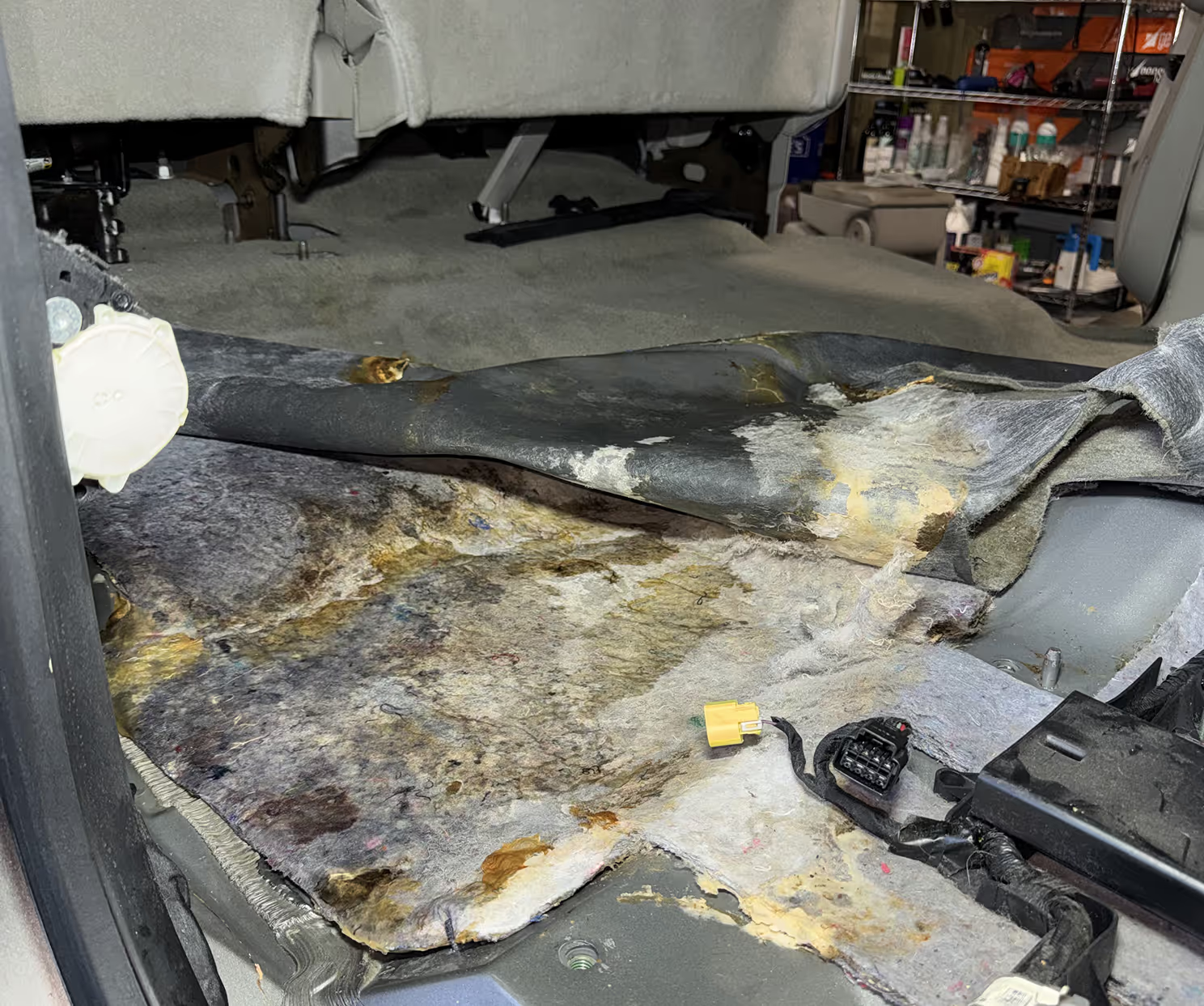
The warning sign most people miss is the smell. That damp, musty odor when you first open your car door isn't just "old car." It's an early sign that moisture has been sitting somewhere long enough to become a problem. Don't wait until you see visible growth. By then, it's already gotten into your carpet padding, seat foam, and potentially your ventilation system.
What You Can Do Yourself
For minor odors and early-stage mold, there are effective steps you can take at home before things get worse.
Start by airing out your vehicle completely. Open all the doors and let it breathe. Pass a vacuum thoroughly, including under the seats, along seat tracks, and beneath floor mats, because that's where moisture hides. For surface mold on fabric or carpet, a diluted white vinegar solution (mixed with water in a spray bottle) is a safe and effective first treatment. Vinegar's acidity can kill a significant portion of common mold species. Spray it on, let it sit for a few minutes, then scrub gently with a soft brush and wipe clean. Follow up with baking soda, which absorbs residual moisture and neutralizes odor.
After cleaning, drying is everything. Dampness left behind is just an invitation for mold to return. Use a fan or park in the sun with doors open to make sure interior surfaces are fully dry before closing the car back up.
For prevention going forward, keep these habits in mind. Clean up spills immediately — don't let them sit. Avoid leaving wet items like towels or clothes in the car. If you live with or frequently transport pets, clean the interior more regularly since pet dander and moisture create ideal conditions for mold growth. A small desiccant pack placed under your seats can also help manage humidity on particularly wet days.
When DIY Isn't Enough
Home remedies work well on the surface, but mold doesn't always stay on the surface. If the contamination has spread into your carpet padding, seat foam, or HVAC system, a spray bottle and some elbow grease simply won't reach it. You'll temporarily mask the odor, but the mold will return — often within weeks.
What a Professional Does Differently
A professional detailer doesn't just clean what's visible. They treat the problem at its source and make sure it doesn't come back.
The process starts with a thorough inspection to identify where moisture is entering and where contamination has spread — including hidden areas like under seats, behind door panels, and inside the air system. Then comes a deep vacuum and extraction using industrial grade equipment that pulls moisture and debris from carpet padding and upholstery, not just the surface.
Steam cleaning follows, using high-temperature steam that kills mold spores on contact in fabric, stitching, and tight interior corners. Professional grade antimicrobial treatments are then applied to surfaces, preventing regrowth rather than just removing what's visible. For vehicles with contamination in the ventilation system — which happens more than most people realize — detailers sanitize the HVAC ducting and replace the cabin air filter, which can be harboring spores and redistributing them every time you run the AC. In severe cases, ozone treatment is used to neutralize odors and mold at a molecular level, reaching areas that physical cleaning can't.
The difference this makes isn't just cosmetic. It's the air quality inside your vehicle on every commute, and it's the resale value of your car down the line. A musty smelling interior is one of the fastest ways to lose money on a vehicle sale.
The Bottom Line
Mold and odor contamination is one of those problems that gets significantly more expensive the longer you wait. A musty smell caught early can be handled with some DIY effort and a professional detail. Mold that's been sitting for months inside seat foam and carpet padding is a much bigger job. In Louisiana's climate, staying ahead of moisture isn't optional — it's part of protecting your investment.
Think your car might have a mold or odor problem? Acadiana Detailing has you covered. Get your free quote below!
